Last Updated on April 3, 2026
Human connection is essential for well-being. Building healthy relationships requires open communication, empathy, trust, and mutual respect. Navigating complexities like toxic relationships and even exploring interspecies communication highlights the ongoing journey of connection. Meaningful relationships enrich our lives and contribute to a more fulfilling human experience.
- The Significance of Human Connection
- Key Components of Healthy Relationships
- Navigating the Complexities of Relationships
- How Communication Improves Relationships
- Building Bridges Through Empathy
- Strengthening Relationships Through Constructive Resolution
- Demonstrating Care Through Action
- Ways to Improve Your Relationship Through Self-Awareness
- Embracing Your Unique Strengths
- Identifying and Building Healthier Connections
- New Channels of Communication
- The Ongoing Journey of Connection
Building on the foundation laid in A Beginner’s Guide for Human Growth and Development, this article delves deeper into how to build healthy relationships with others.
Human beings are inherently social creatures. From the moment we enter the world, we are wired for connection. When improving relationships with others, remember that these bonds shape our understanding of ourselves and influence our emotional well-being. Notably, the ability to engage in building healthy relationships is not just a desirable skill; it’s a fundamental human need. Consequently, this post explores the art of building these vital connections, emphasizing the importance of communication, understanding, and mutual respect.
We are constantly reminded of the power of human connection. Articles like “The Art of Human Connection” highlight the profound impact these bonds have on our lives. In order to improve your relationship with others, note that a true connection goes beyond superficial interactions and delves into genuine empathy and mutual support. Furthermore, building healthy relationships is an ongoing process—a dance of give and take—requiring effort, vulnerability, and a willingness to understand perspectives that differ from our own.
The Significance of Human Connection
Our relationships provide us with a sense of belonging, purpose, and support. If you focus on improving relationships with others, they act as a buffer against stress, offering comfort during difficult times and amplifying our joy during celebrations.

Research from Mental Health America highlights that social connection is a key factor in boosting happiness and reducing the risk of mental health struggles. Similarly, these connections offer us mirrors to see ourselves more clearly, challenge us to grow, and provide a safe space to be our authentic selves.
Key Components of Healthy Relationships
Understanding the key components of healthy relationships is a complex process involving several vital elements:
- Open and Honest Communication: The cornerstone of any healthy relationship. It involves expressing thoughts clearly and listening actively.
- Empathy and Understanding: Striving to understand another person’s perspective, even when we don’t agree.
- Trust and Respect: Trust is earned over time through consistent behavior; respect involves valuing individuality.
- Mutual Support: Being there for each other during both good times and bad.
- Boundaries: Establishing limits to protect your well-being and respecting the limits of others.
- Forgiveness: Releasing negative emotions associated with hurtful behavior to allow for healing.
Navigating the Complexities of Relationships
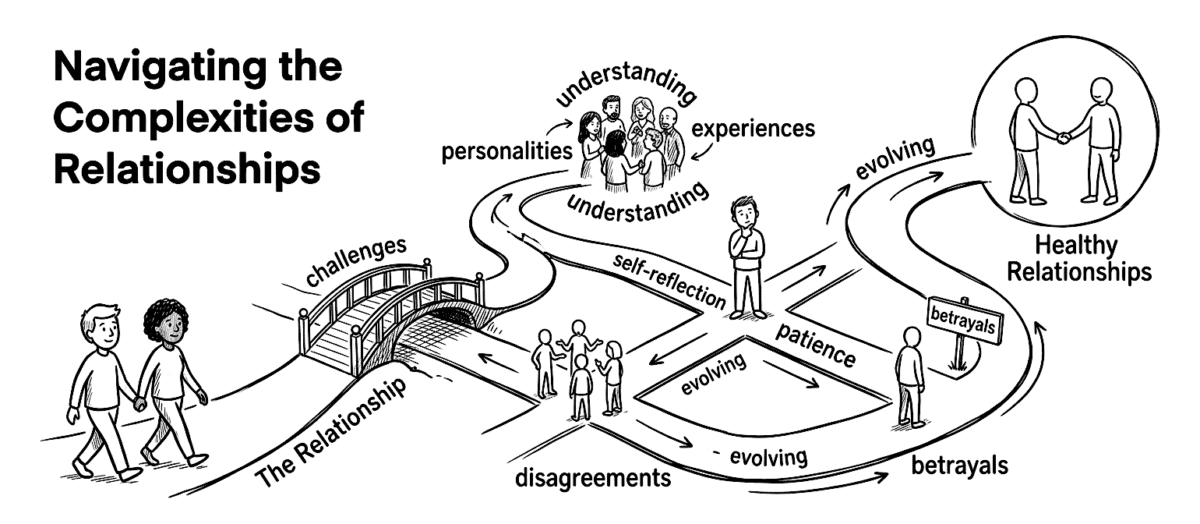
Relationships are rarely simple. Specifically, they are dynamic entities that evolve, shaped by personalities, experiences, and life’s changes. Consequently, we will inevitably encounter challenges, disagreements, and sometimes betrayals. Learning to navigate these complexities requires patience and self-reflection. Ultimately, mastering how to build healthy relationships with others involves a commitment to these evolving dynamics.
How Communication Improves Relationships
One key aspect of navigating relationship complexities is understanding how communication improves relationships. This involves active listening, in which you focus intently on what the other person is saying without interrupting or formulating a response. For instance, being open and honest during communication, even about difficult topics, can help to prevent misunderstandings and build stronger connections.
Practical Steps for Better Listening
To truly master how communication improves relationships, we must look at the habits we bring to the table. The Center for Creative Leadership suggests that active listening requires more than just hearing; it involves summarizing and clarifying what has been said.
- Active Listening: Focus on verbal and nonverbal cues.
- Non-Judgmental Approach: Create a safe space for sharing.
- Constructive Feedback: Focus on behavior rather than personality.
- Appreciation: Regularly acknowledge others’ contributions.
Building Bridges Through Empathy
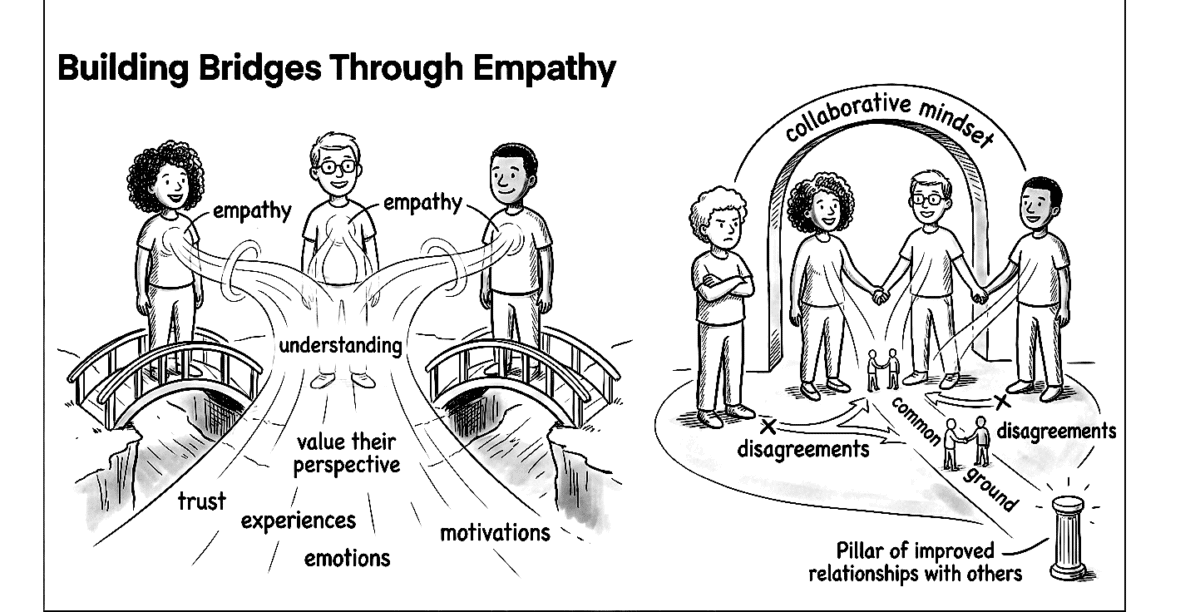
Empathy is closely intertwined with trust and understanding. Striving to understand the other person’s experiences, emotions, and motivations can bridge divides. When you demonstrate genuine empathy, you show the other person that you value their perspective.
This understanding is particularly helpful when navigating disagreements, allowing you to approach the situation with a collaborative mindset to find common ground. In other words, empathy is a core pillar in improving relationships with others.
Practicing Respect and Understanding:
- Respect Boundaries: Recognize the personal limits of others.
- Accept Differences: Embrace diversity and unique experiences.
- Show Compassion: Be kind, especially during difficult times.
- Trustworthiness: Be reliable and keep your promises.
Strengthening Relationships Through Constructive Resolution
Conflict is part of any relationship. However, the key is not avoiding it, but learning constructive management. According to the American Psychological Association, avoiding conflict can actually lead to resentment, whereas healthy disagreements provide an opportunity to resolve underlying issues.
- Opportunity for Understanding: Conflict can reveal hidden needs and differing perspectives.
- Improved Communication: Navigating tension forces you to communicate more directly and honestly.
- Stronger Boundaries: Conflict highlights where boundaries need to be established or reinforced.
- Increased Trust: Successfully working through a disagreement builds confidence in the relationship’s resilience.
Demonstrating Care Through Action
Building healthy relationships requires consistent effort and tangible actions. Having an occasional connection isn’t enough; you must actively nurture the relationship through meaningful engagement. This involves quality time, being present, and showing appreciation.
Perhaps the most compelling evidence comes from the Harvard Study of Adult Development, the longest-running study on human happiness, which found that the quality of our relationships is the single greatest predictor of health and longevity. Therefore, performing small acts of kindness helps you to improve your relationship with others and creates a lasting connection.
Ways to Improve Your Relationship Through Self-Awareness
Self-awareness plays a crucial role in how we connect. Understanding your own strengths, weaknesses, and emotional patterns helps you identify areas for improvement and acceptance of your whole self. When you embrace these principles, you can navigate the complexities of relationships with greater ease.

The Impact of Self-Improvement on Connection
Notably, self-improvement is central to building healthy relationships with others.
- Increased Emotional Intelligence: Better management of your own emotions leads to more compassionate interactions.
- Greater Self-Awareness: Taking responsibility for your actions leads to more authentic connections.
- Reduced Reactivity: You become less likely to react defensively in challenging situations.
- Healthier Attachment Styles: Addressing personal patterns allows for more secure connections.
Embracing Your Unique Strengths

An authentic connection starts with recognizing the value you bring to the table. For women, this often means reclaiming qualities like intuition and emotional intelligence. To help identify some of these assets, I’ve put together why women are strong and their unique qualities. Recognizing these traits helps you move away from seeking external validation and toward building relationships based on mutual respect.
Identifying and Building Healthier Connections
One of the most challenging dynamics is being entangled with a toxic partner or friend. Consequently, leaving a toxic relationship can be incredibly difficult, often requiring professional help and a strong support system. Therefore, understanding the key components of healthy relationships is the first step towards breaking free. To improve your relationship with others, you must sometimes identify and leave toxic connections to prioritize your own well-being. You may read more in our article: Entangled Hearts: Navigating the Paradox of Love for a Toxic Partner.
New Channels of Communication
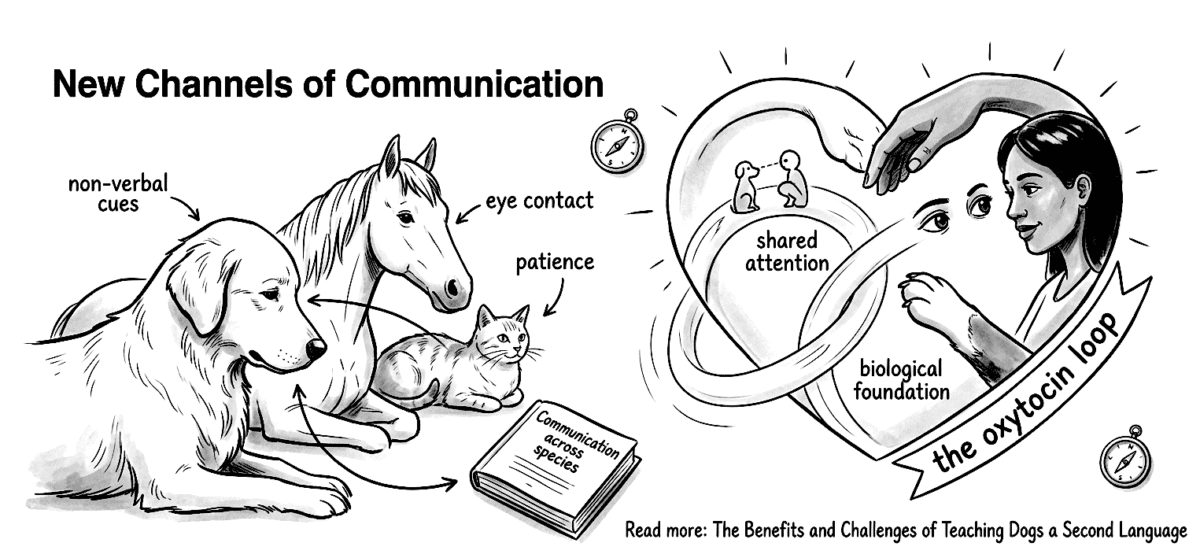
Even our relationships with animals offer insights into connection. The idea of teaching dogs a second language highlights the potential for deeper understanding across species. Recent interspecies communication research suggests that the “oxytocin loop” created by eye contact and shared attention is a biological foundation for bonding between humans and animals. This reinforces the importance of patience and understanding non-verbal cues. Read more in: The Benefits and Challenges of Teaching Dogs a Second Language.
The Ongoing Journey of Connection
Building healthy relationships is not a destination but a journey. It requires continuous effort, self-reflection, and a willingness to grow. By focusing on open communication, empathy, trust, and mutual respect, we can cultivate meaningful connections that enrich our lives. When we master the art of improving relationships with others, we unlock the potential for deeper joy and greater resilience. It is a fundamental aspect of what makes us human.
“Be who you are and say what you feel, because those who mind don’t matter and those who matter don’t mind.”
– Dr. Seuss
Brought to you by The Human Experience from Our Origin Story.


A Canadian animal rights activist, feminist, and mental health advocate with a background in Biotechnology. As a vegan for 10+ years and Founder of The Honest Whisper, she is dedicated to amplifying voices and creating a kinder world for all sentient beings.